Beginner · 4 min read · Nov 18, 2026 · DJ Trainr
How to practice DJing at home: a routine that works
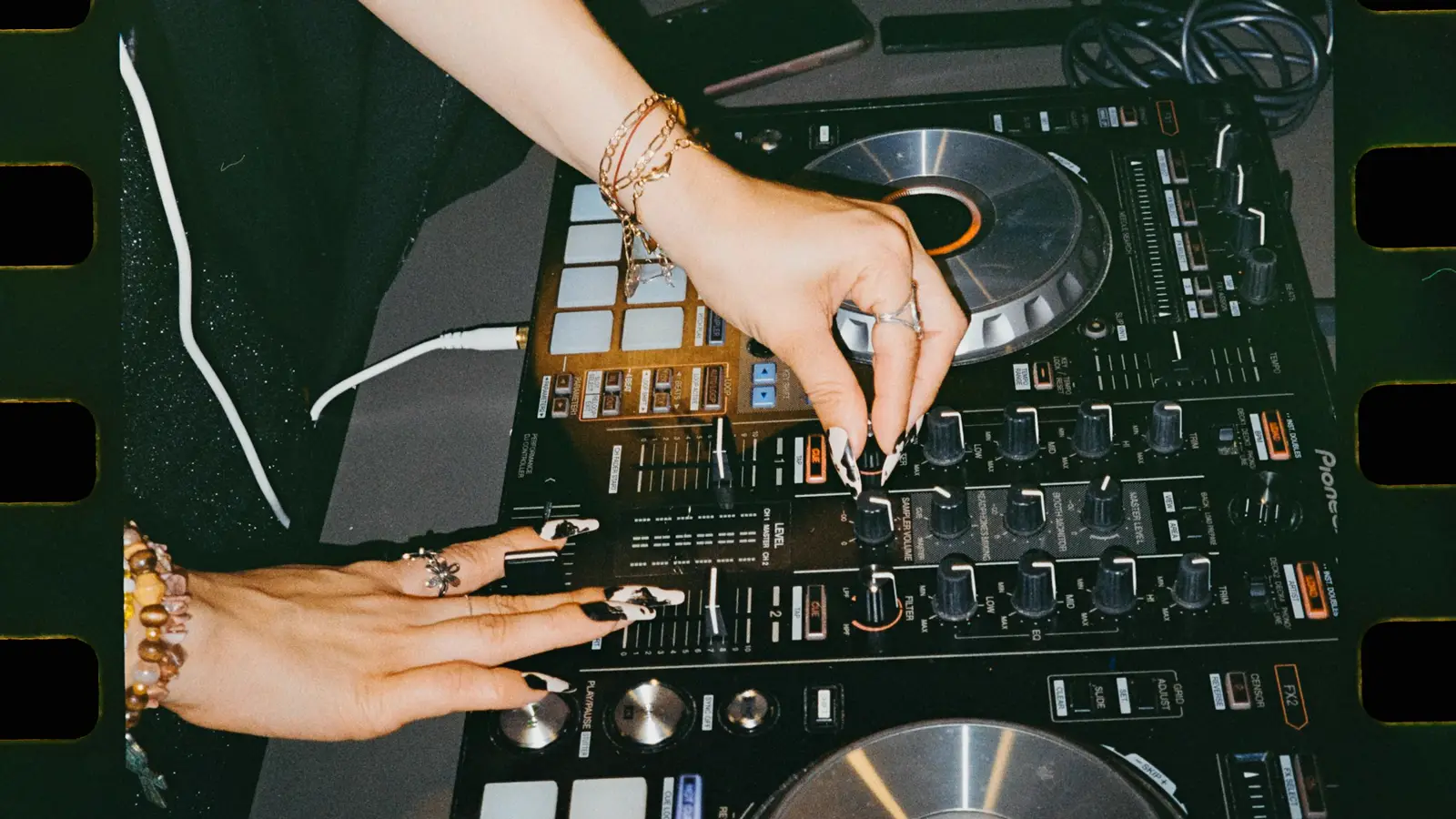
Almost every DJ starts the same way: they play tracks they like for an hour and call it practice. It's fun, but you improve slowly, because you repeat what you can already do and never notice what goes wrong. Real practice is something else, and it doesn't take more time: it takes a plan.
One goal per session
Before you switch on your gear, decide what you're working on today: beatmatching, bass in your transitions, volume, the energy curve… Just one thing. If you try everything at once, you won't know what got better.
Drills that work
- • Beatmatching by ear: turn sync off and cover the BPM display. Match the track using only the pitch fader and your headphones, and hold the mix for a full minute without it drifting.
- • Long blends: do transitions of 32 bars or more and swap the bass from one track to the other in one move, without both bass lines playing together.
- • The same transition ten times: pick two tracks and repeat the change until it comes out clean every time, not one time in three.
- • A short set with a plan: 30 minutes with an energy curve decided in advance (start soft, build, finish high), then check whether you stuck to it.
Always record
Record every session, even practice ones. What you think happened while you played and what actually sounds are rarely the same: a transition that felt clean can have clashing bass for twenty seconds. The recording doesn't lie.
Review with pen and paper
When you listen back, write down the minute of everything you don't like and what kind of problem it is. After a few sessions you'll see your mistakes repeat: always the same kind of transition, always the energy dropping halfway through. That pattern is what you need to train next.
How long
Better 30 or 45 minutes with a goal, three or four days a week, than three hours straight on a Saturday. Consistency beats quantity.
You don't practice until you get it right once. You practice until you can't get it wrong.
Measure whether you're improving
DJ Trainr analyzes each recording and gives you a score from 0 to 100 with alerts at the exact minute of every mistake. If you analyze your practice sets, you can compare each one with the previous one and see whether what you're training is really getting better.
Keep reading
- How to record your DJ set (so the recording is actually useful)
- Beatmatching: what it is, why it matters, and how to master it
- How to nail your DJ transitions every time
Want to put these tips into practice?
Upload your set to DJ Trainr and get a report with your score, every mistake with its minute and what to practise.
Analyze my setSee a sample report